A Complete guide on Garment Manufacturing
Many of us are aware of fabrics, materials, and clothes. They go hand in hand. Fabrics which are converted into materials ultimately lead to clothing items. But how are these items made? This is the question everyone asks.
A lot has to do with the processes involved that are required to make these finished items. Through garment manufacturing, one is able to go through the entire process of designing and pattern making and also cutting and sewing. This form of manufacturing plays a vital role especially when it has to do with the fashion industry. Many of the ideas by fashion designers get converted into wearable garments that are commonly used in everyday wear.
Through this blog, we will understand garment manufacturing and its processes. These include technologies, supply chains, and even the roles of lean manufacturing and automation.
Garment manufacturing: An overview of the processes
Much has to do with several of its processes involved. They include several steps from the time raw materials are converted into finished products. As it is complex, it requires precision, planning, and attention to every form of detail. Some of the different intricacies are—
- Designing process
The entire journey of a specific garment commences from the time designers create a design. Gathering data from many sources, they create innovative and unique designs based on the latest trends, cultural influences, and customer preferences. Thereafter, the designs get transformed into digital renderings or sketches thus capturing every garment detail. After finalizing the designs, they share with many pattern markers playing a vital role.
- Pattern Making
It involves a technical and specialized skill. Pattern makers are known to take the sketches of designers to create patterns. These patterns serve in the form of templates that are required to cut fabric. These professionals are known to analyse different designs and consider many factors involving garment fit, fabric type, and the techniques by which numerous patterns are precise and accurate. In other words, pattern makers are known to use traditional methods or specialized software to create digital versions and patterns on paper. They are used to manufacture and guide the sewing and cutting operations.
- Fabric cutting
After the patterns are finalized, the next step has more to do with fabric cutting. In this stage, skilled workers lay out the different fabric layers as per the patterns. They use cutting tools like automated cutting machines or scissors to neatly cut the many fabric pieces. Accuracy and efficiency are essential in the fabric-cutting process. It minimizes waste and ensures fabric pieces perfectly align for sewing purposes. The experts also follow the different patterns thus taking into account the pattern matching, fabric grain, and any design details.
- Assembly and sewing
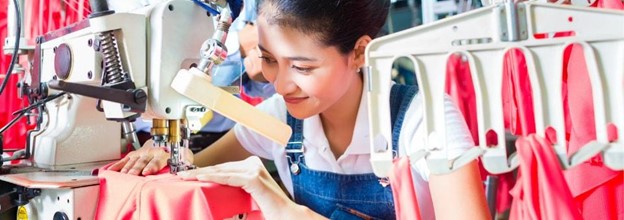
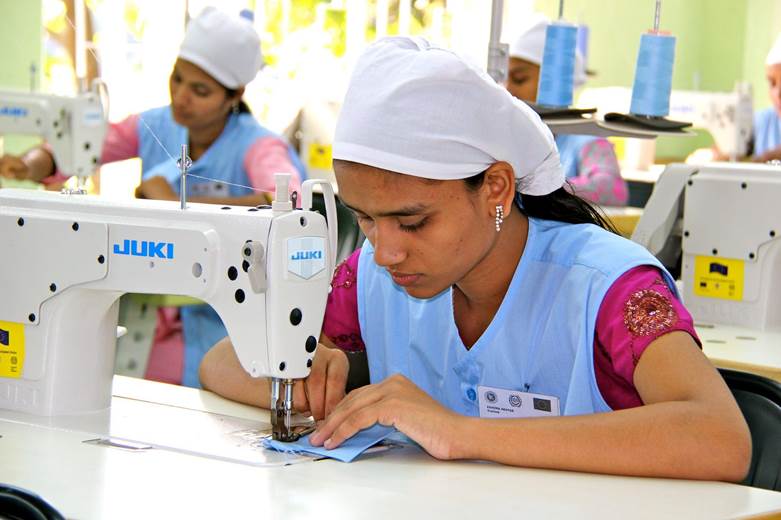
Once the fabrics are cut, the next process has to do with assembly and sewing. In this stage, skilled professionals bring the garment. They follow different patterns and also use sewing techniques where they join the fabric pieces. In the process, they create the desired structure and shape of the particular garment.
It can be simple straight seams to even an intricate embellishment and stitching. A lot has to do with the sewing processes that involve attention and precision to detail.
- Finishing and pressing
After the garment is sewn, the next process is it goes to finishing and pressing operations. On one hand, pressing has a lot to do with using a specialized pressing machine or iron to remove the many creases or wrinkles thereby giving the garment a more professional and polished look. Finishing touches like zippers, trims, or buttons are added in this stage. It is the skilled workers who attach the many components. They ensure that the entire product is secure and can be rightly aligned with the design. It is the garment that is inspected to ensure the product meets the quality standards.
- Quality control
It is termed to be a key stage in the manufacturing process. Skilled professionals examine the garment, and check for defects, deviations, or inconsistencies from the specifications of a design. They ensure the entire garment can meet the quality standards especially when it has to do with fit and also overall appearance. If the experts identify the issues, they return the garment for repair or rework. This form of stage plays an essential role when it comes to brand reputation and also customer satisfaction.
- Distribution and packaging
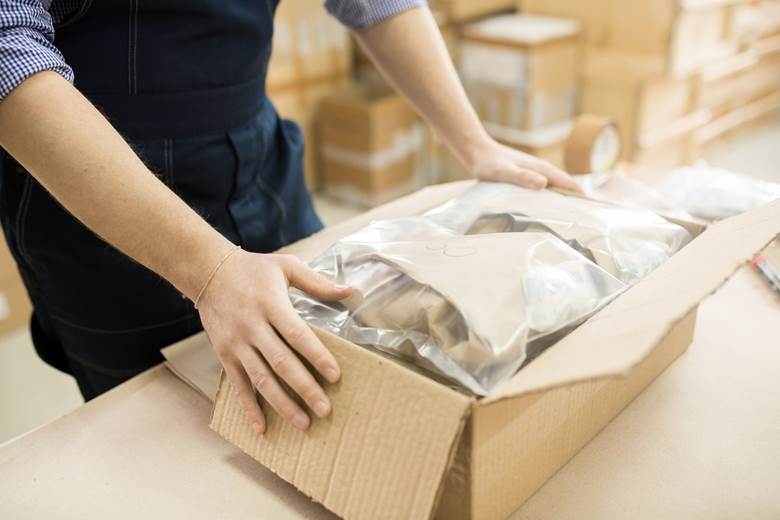
The garments manufactured undergo several quality control checks. They are fully ready for distribution and packaging. They are packed, labelled, and folded as per the requirements of the brand. Later, they are dispatched for shipment to distribution centers and also retailers. Logistics as well as supply chain management guarantees that the many garments reach their intended destinations on time. Later, they can enter their way to online platforms or retail stores. This form of manufacturing processes involving garments involves different steps. They require expertise and skills at every stage contributing to the creation of quality garments specifically meeting the standards of the fashion industry and meeting customer expectations.
Garment manufacturing: Understanding supply chain
Much of it has to do with the garment manufacturing supply chain. It involves a network of manufacturers, suppliers, retailers and distributors. A lot starts from the time they source raw materials which include zippers, fabrics, trims, and buttons from many suppliers. The materials are later transported to many garment manufacturers who undergo different manufacturing processes. After the production of garments, they are sent to the retailers or distributors who handle the distribution and sales final stages. A lot has to do with the effective management that ensures there is timely delivery and production of garments.
Garment manufacturing: Technologies
It is this manufacturing that has witnessed numerous technological advancements for the past many years. The different technologies have streamlined the manufacturing processes, enhanced efficiency, and improved product quality. CAD (Computer-aided design) software is one of the many things commonly used for design visualization and pattern making. At the same time, sewing and automated cutting machines are known to increase accuracy and productivity. Much has to do with embroidery machines and digital printing that allows for customizable and intricate designs. Over the years, many ERP (enterprise resource planning) systems have been used. Each of these systems manages and tracks raw materials, delivery schedules, and production progress. Also, e-commerce platform advancements have made the process easier for several manufacturers to connect with consumers and retailers globally.
Summing Up
Last but not least, a lot has to do with garment manufacturing which undergoes a complex process. It involves how raw materials are transformed into many finished garments. Be it the design phase to control checks, each step is known to create wearable and fashionable garments. One has to understand the manufacturing processes, supply chain dynamics, manufacturing types, and technology roles that are essential for many manufacturers to thrive in the competitive industry.